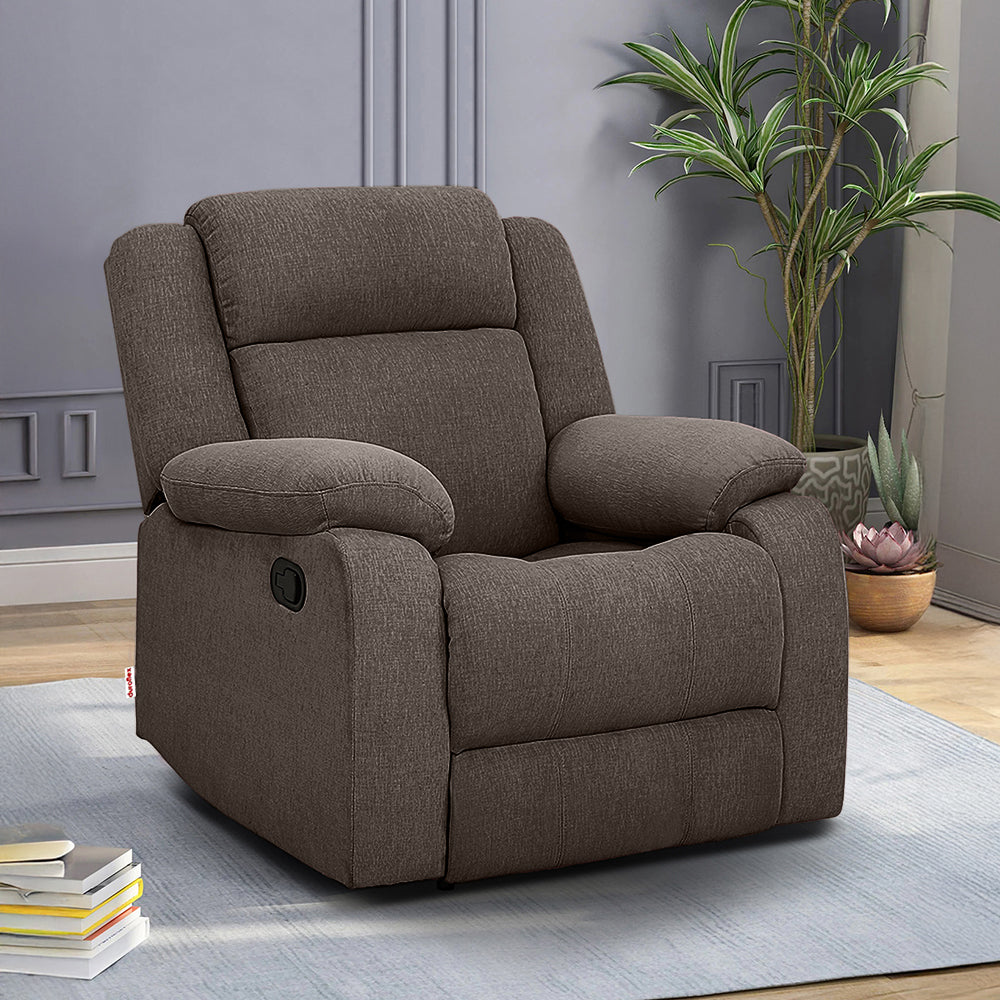
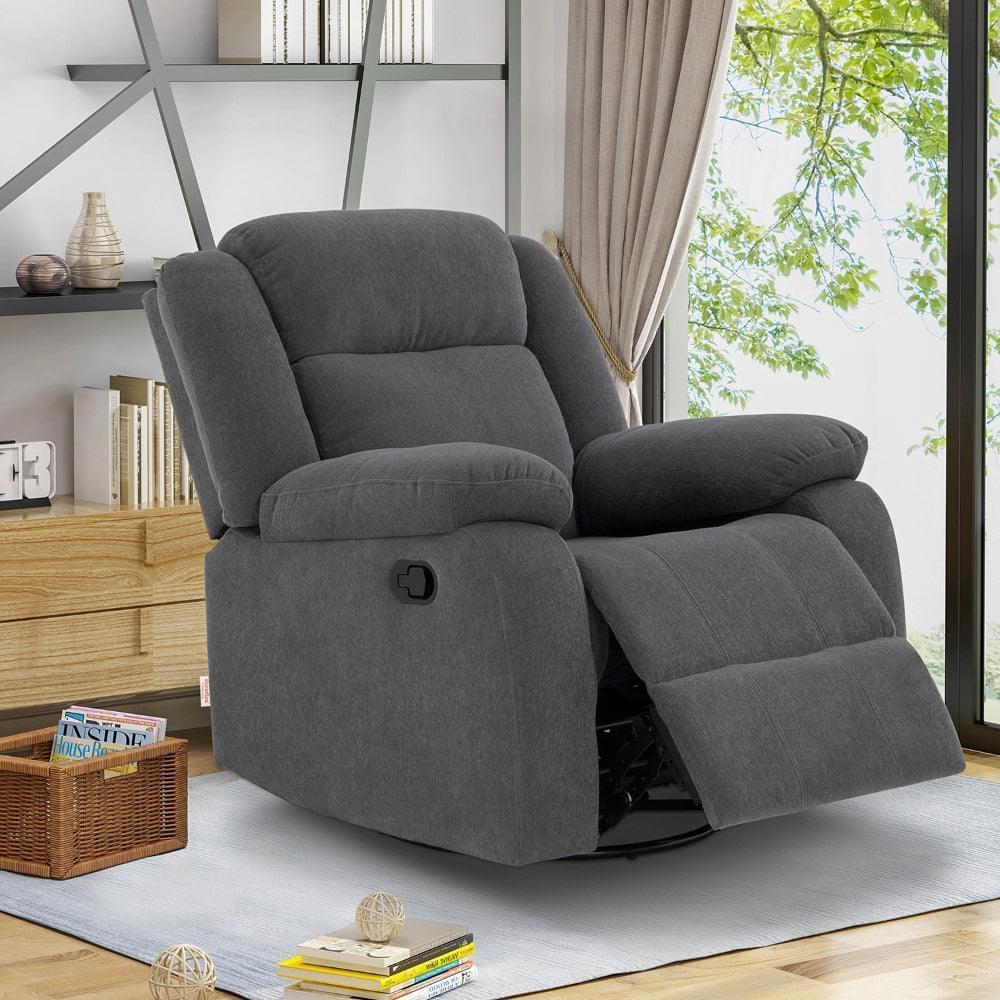
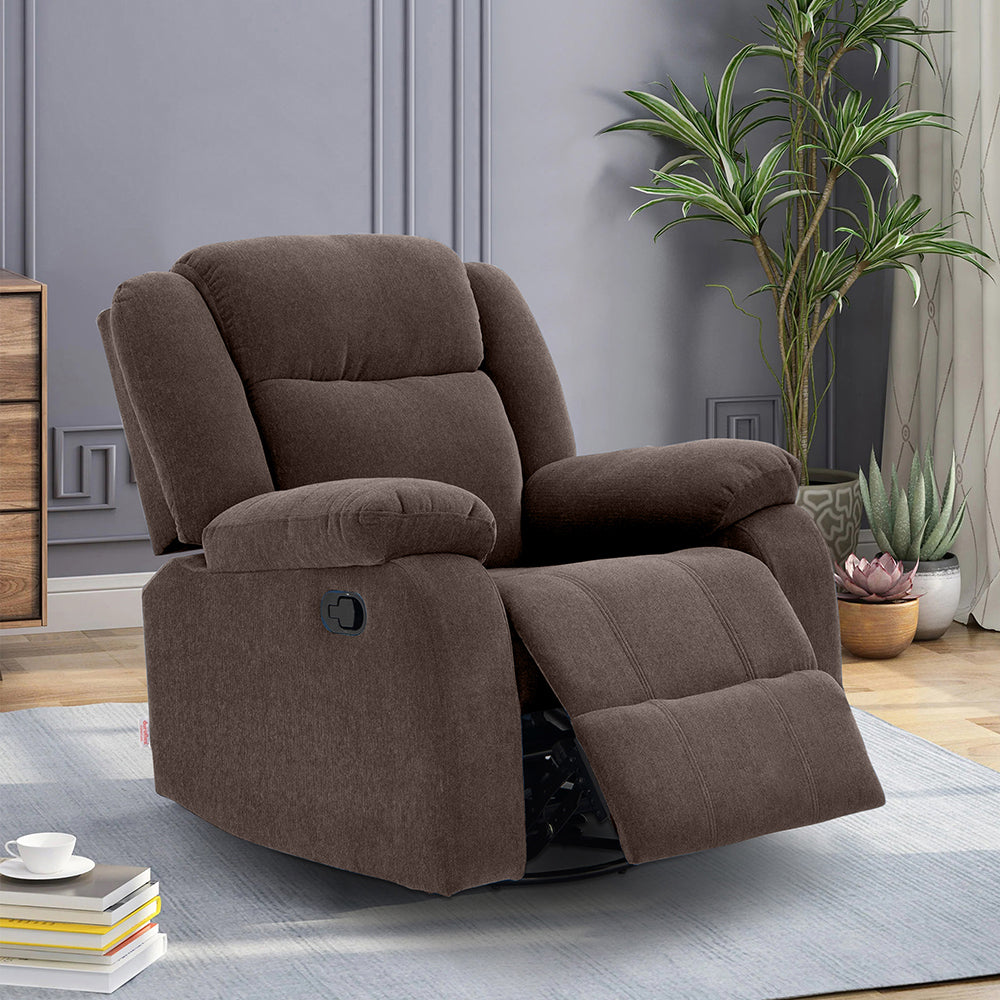
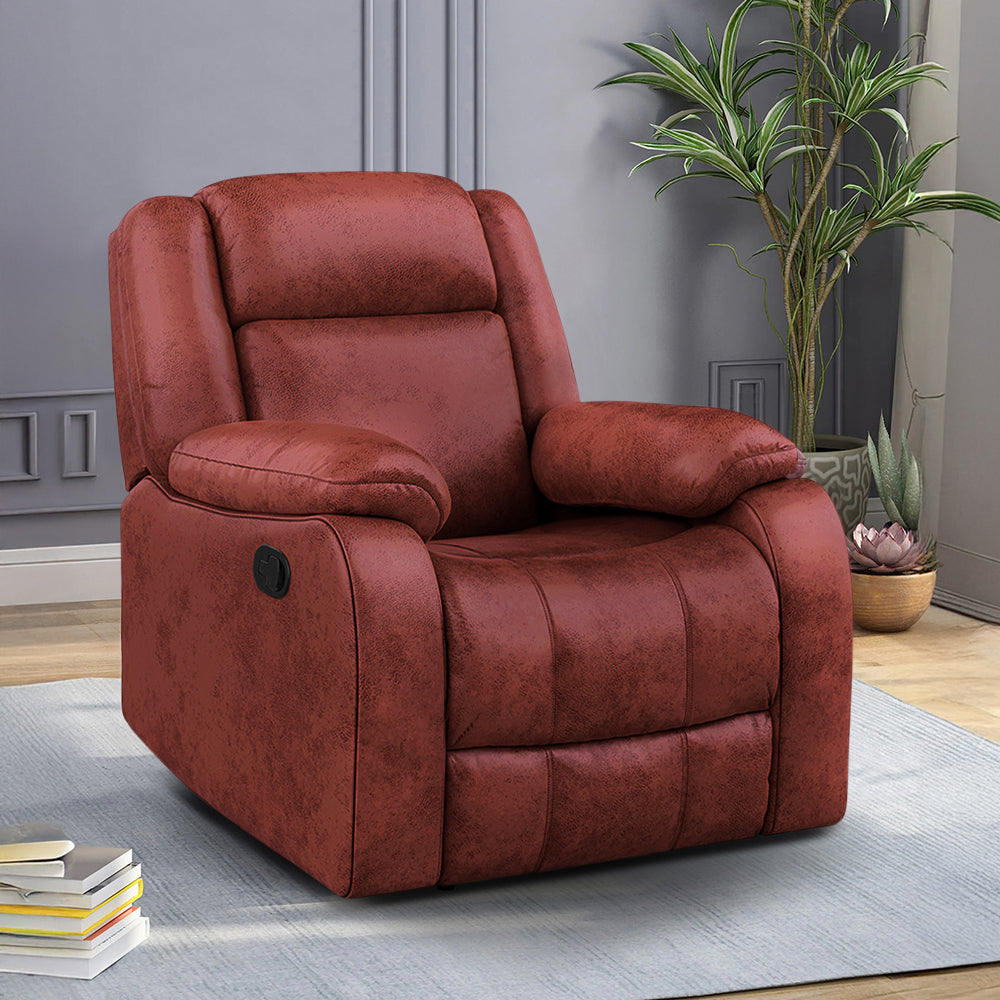
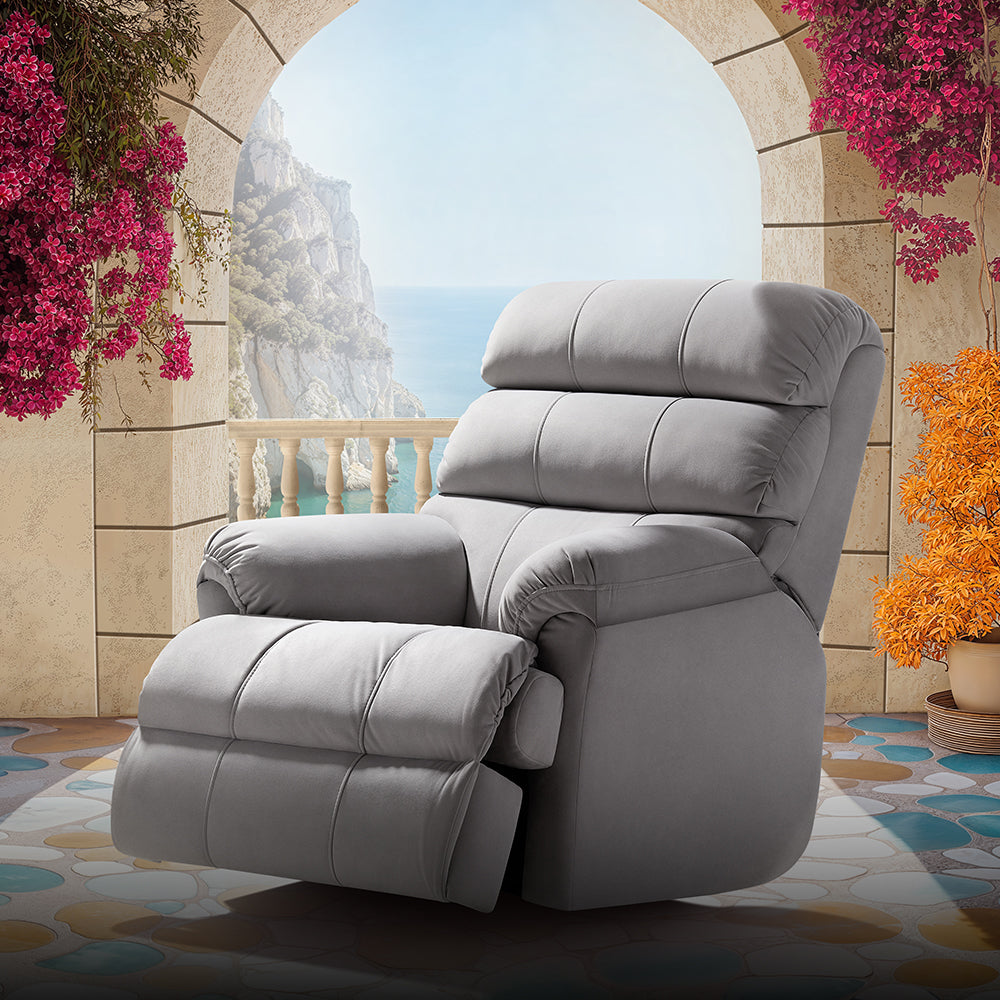
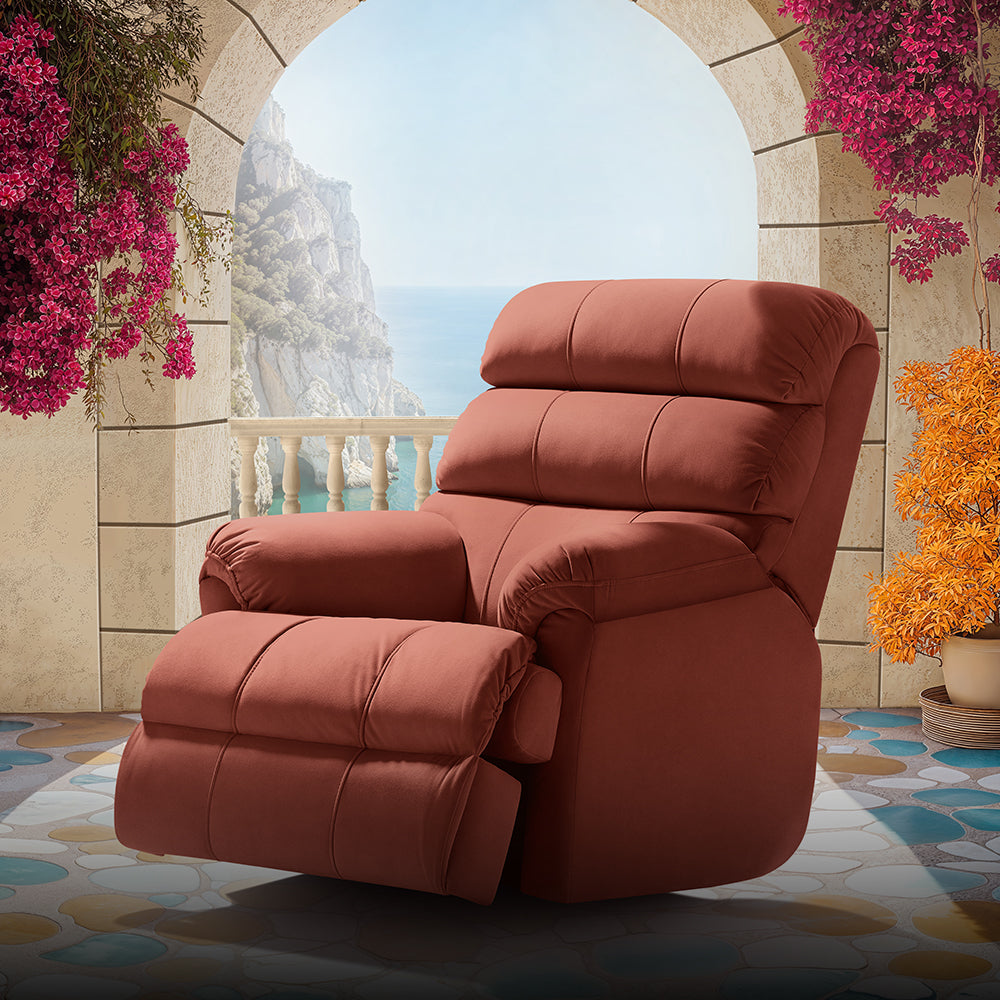
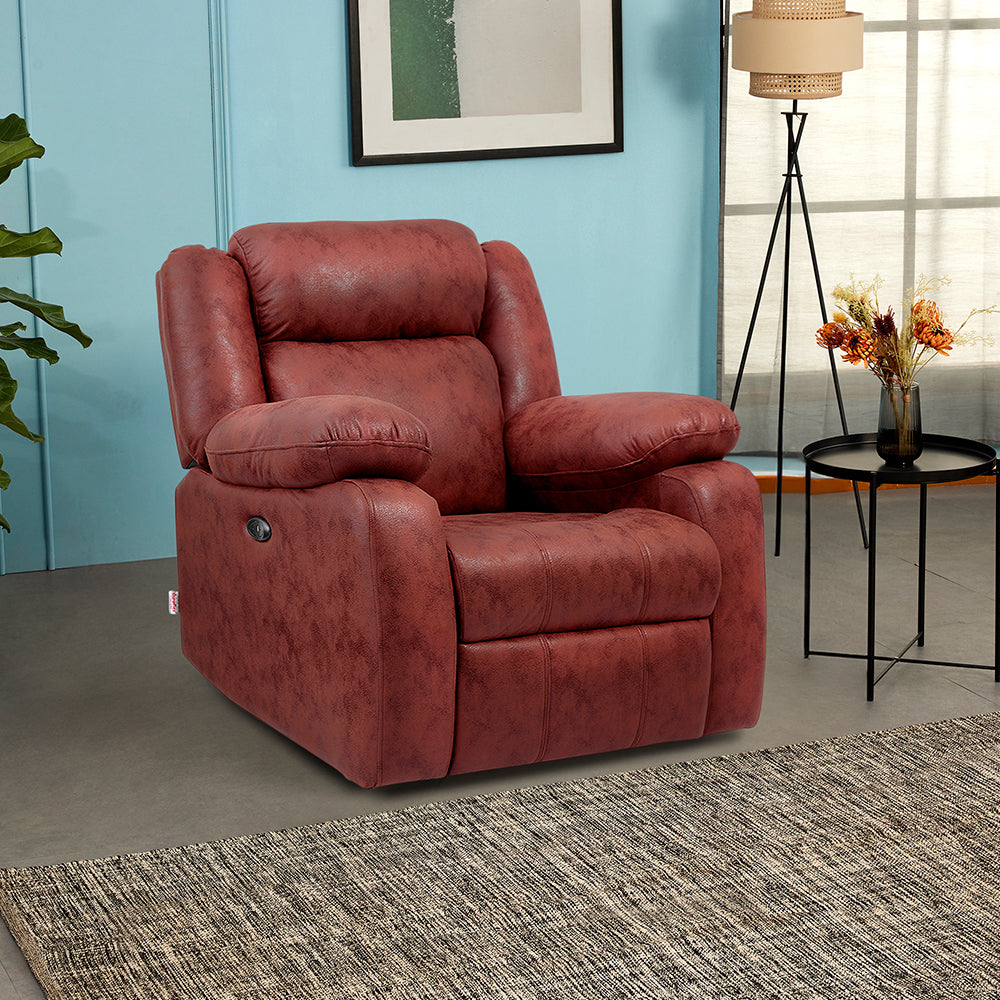
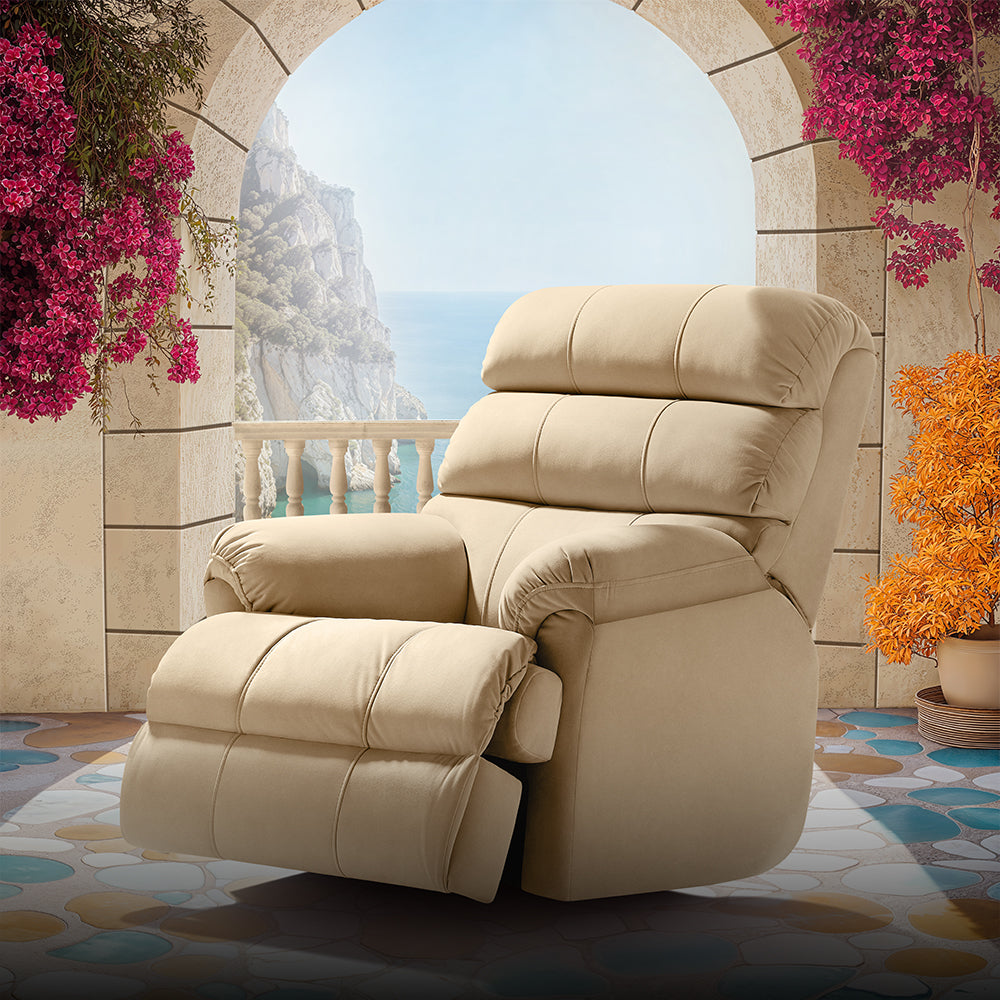
To ensure a smooth delivery and perfect fit, please confirm the following:
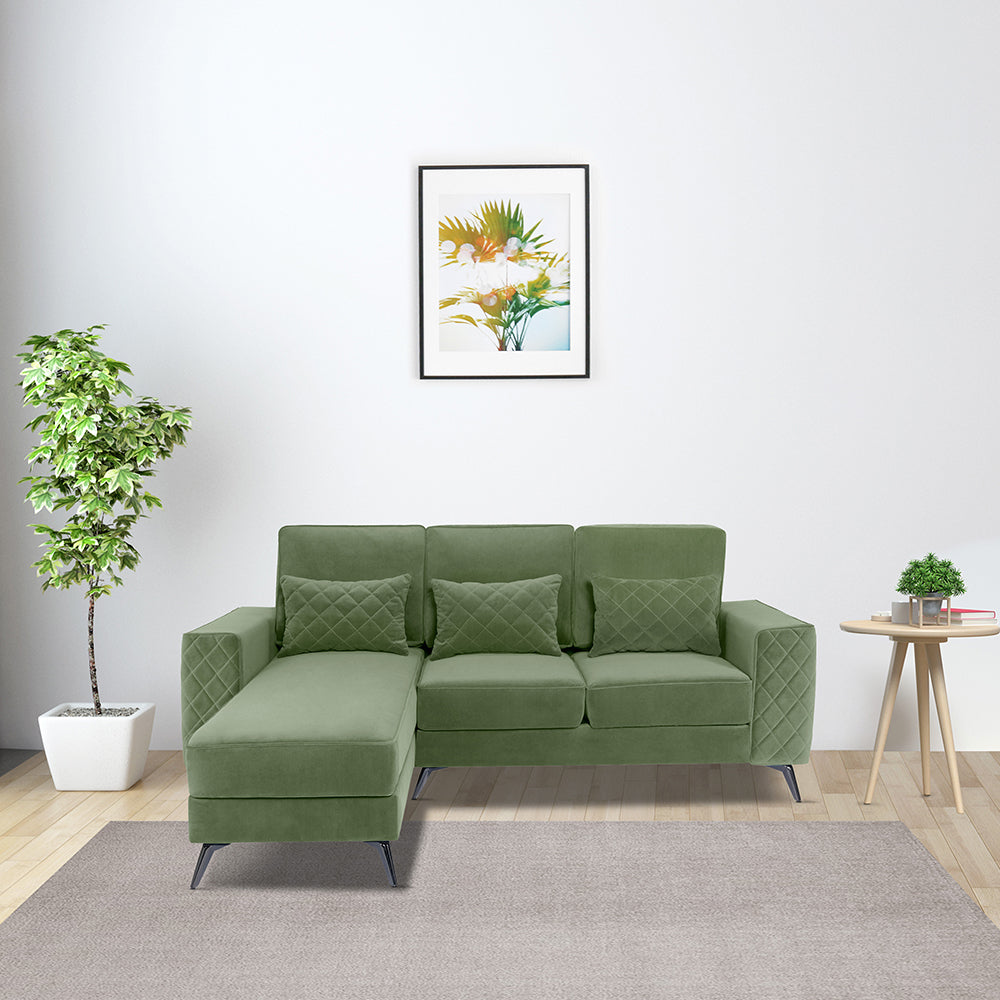
Product fit & feel: Have you visited a Duroflex Experience Centre to check the sofa’s dimensions, colour, and comfort?
Entry access: If you live in a villa, is your main door at least 900 mm wide for easy movement of the sofa?
Staircase access (for villas): If the sofa needs to be moved to the 2nd or 3rd floor, are the stairs 800–1000 mm wide?
Lift access (for apartments): Is a service lift available for sofa movement?
Service lift dimensions: Does the service lift have a minimum door width of 900 mm and height of at least 2100 mm?
Stair carry (if no service lift): If there’s no service lift, please mention the number of floors the sofa will need to be carried up via stairs in your address details.
Need help deciding? Our experts can guide you in minutes — Get Expert Advice
Product of the Year Announces 2025 Winners Duropedic Back Magic
Duroflex is the flag bearer of the latest in sleep technology
Alia Bhatt approves of this unique research-backed mattress that provides a sleep experience like no other
With its ergonomic design, Avalon Pro Recliner provides a great seating experience
Livein Orthopaedic Mattress is a smart choice for pressure-relieving sleep
Back Magic Orthopaedic balances durability with comfort
Duropedic Range might be panacea you need for back pain
The Avalon Posture Pro is an investment in your health
Duroflex Wave Kinect Mattress brings intelligent comfort into your life
Product of the Year Announces 2025 Winners Duroflex Wave Smart Adjustable Bed
Avalon Posture Pro is an outstanding recliner, best I’ve used for relaxation
Duroflex Livein is one of the best latex foam mattress for pain-free sleep and reliable firmness
Product of the Year Announces 2025 Winners- Duropedic Back Magic and Wave
Kinect Strength Mattress ensures a combination of comfort, technology, and longevity
How Sleep Shapes Mind
When sleep falters, dreams fade. Our WTD (Ex-CMD), Mathew Chandy speaks with India Today to discuss how a sleepless nation is losing out while dreams hold the key to creativity and growth.
How Sleep Shapes Mind
When sleep falters, dreams fade. Our WTD (Ex-CMD), Mathew Chandy speaks with India Today to discuss how a sleepless nation is losing out while dreams hold the key to creativity and growth.
For over 60 years, we’ve delivered quality sleep solutions to businesses across industries. With integrity, innovation, and fairness at our core, we provide premium sleep and furniture solutions tailored to your every need.
60+ Years of Trusted Comfort Solutions
For over 60 years, we’ve delivered quality sleep solutions to businesses across industries. With integrity, innovation, and fairness at our core, we provide premium sleep and furniture solutions tailored to your every need.
You wake up exhausted. You slept 7 hours, maybe even 8. You weren't scrolling until 2 A.M. So why does your body feel like it worked a night shift?
Every time you turn over at night (and you do this 10 to 30 times without even remembering), your body recruits muscles from your neck, shoulders, back, and legs to coordinate the movement. On the right mattress, this happens effortlessly. On the wrong one, your muscles strain, fight resistance, and burn energy that should be directed toward recovery.
If you're waking up tired, your mattress might be making your muscles work when they should be resting.
The Science Behind Sleep Movement
Researchers at the Korea Research Institute of Standards and Science wanted to understand why some mattresses leave people feeling drained. They used electromyography (EMG), a technology that measures electrical activity in muscles, to track exactly how hard the body works during sleep movements.
The setup: Ten participants were asked to lie down and turn to their side repeatedly on different mattresses while sensors measured muscle activity in eight key areas: neck, shoulders, upper back, lower back, and legs.
The finding: On mattresses with excessive softness (like memory foam), participants' muscles generated 53% to 66% more effort to complete the same turning movement compared to firmer, more responsive surfaces.
Think about that. Your back and shoulder muscles were working more than half again as hard just to roll over. Multiply that by 20 turns per night, and you're essentially doing reps in your sleep.
Why this happens: Soft, slow-recovery materials like memory foam create a sinking effect. When you try to turn, your body has to push against the material's resistance, like trying to roll over in quicksand. Your muscles engage heavily just to generate momentum and pull yourself out of the impression your body created.
The result? Muscle fatigue. Fragmented sleep. Morning stiffness. And that bone-deep tiredness that no amount of coffee seems to fix.
What Your Body Actually Needs
Here's the paradox of sleep movement: you need to turn over regularly. Staying in one position too long creates pressure overload on soft tissues, reduces circulation, and leads to muscle stiffness. Movement is essential for recovery.
But movement shouldn't cost you energy.
The ideal mattress supports three things:
Instant response when you shift position — no lag, no sinking delay
Localized support that doesn't trap you — the surface adapts without creating a body-shaped valley
Stability that prevents wasted effort — movement happens smoothly, not laboriously
Traditional materials struggle with this balance. Memory foam provides cushioning but traps you in slow recovery. Springs provide bounce but create instability and motion transfer. Rebonded foam stays firm but concentrates pressure, forcing frequent uncomfortable turns. Airboost is engineered specifically for movement efficiency.
How Airboost Enables Effortless Sleep Movement
Airboost's design addresses the core problem: muscular effort during sleep.
1. Controlled Rebound, Not Resistance
Unlike memory foam that slowly absorbs and recovers, Airboost's 1 lakh AirKnit fibres provide controlled rebound. When you turn, the fibres compress where you're moving from and instantly recover, but the recovery is localised, not system-wide like a spring mattress.
You're not pushing against sinking resistance. The surface responds immediately to your movement, requiring minimal muscular engagement. Your body can redirect that conserved energy toward actual recovery functions like muscle repair and cellular restoration.
2. No Body Impression Valley
Because each AirKnit fibre works independently, Airboost doesn't create the body-shaped impression that traps you in position. Traditional foam compresses as a uniform block, the heavier your hips, the deeper the valley, the harder it is to move out of it.
Airboost distributes load across thousands of adaptive points. You rest on the surface, supported but not enveloped. When you decide to turn, there's no material memory holding you in place.
3. Adaptive Support Throughout Movement
As you shift from back to side or side to stomach, your pressure points change. Airboost's independent fibres instantly move to the new position. Your shoulders compress more fibres when you're on your side; your hips engage different zones when you're on your back. Movement feels natural and your muscles stay relaxed because they're not compensating for instability.
The Energy Economics of Sleep
Sleep researchers talk about "energy economics" during rest, the idea that your body has a finite energy budget at night. Ideally, that budget goes toward:
Physical recovery and muscle repair
Memory consolidation and cognitive restoration
Immune system function
Hormone regulation
But when your mattress forces your muscles to work during movement, you're draining that budget on staying comfortable instead of getting restored.
Airboost's design principle: Reduce the energy cost of movement so your body can invest more in recovery.
This is why people often report waking up feeling "more recovered" on Airboost, not because they slept longer, but because their sleep was more efficient. Less muscular effort, fewer disruptions, deeper restoration.
You wake up exhausted. You slept 7 hours, maybe even 8. You weren't scrolling until 2 A.M. So why does your body feel like it worked a night shift?
Every time you turn over at night (and you do this 10 to 30 times without even remembering), your body recruits muscles from your neck, shoulders, back, and legs to coordinate the movement. On the right mattress, this happens effortlessly. On the wrong one, your muscles strain, fight resistance, and burn energy that should be directed toward recovery.
If you're waking up tired, your mattress might be making your muscles work when they should be resting.
The Science Behind Sleep Movement
Researchers at the Korea Research Institute of Standards and Science wanted to understand why some mattresses leave people feeling drained. They used electromyography (EMG), a technology that measures electrical activity in muscles, to track exactly how hard the body works during sleep movements.
The setup: Ten participants were asked to lie down and turn to their side repeatedly on different mattresses while sensors measured muscle activity in eight key areas: neck, shoulders, upper back, lower back, and legs.
The finding: On mattresses with excessive softness (like memory foam), participants' muscles generated 53% to 66% more effort to complete the same turning movement compared to firmer, more responsive surfaces.
Think about that. Your back and shoulder muscles were working more than half again as hard just to roll over. Multiply that by 20 turns per night, and you're essentially doing reps in your sleep.
Why this happens: Soft, slow-recovery materials like memory foam create a sinking effect. When you try to turn, your body has to push against the material's resistance, like trying to roll over in quicksand. Your muscles engage heavily just to generate momentum and pull yourself out of the impression your body created.
The result? Muscle fatigue. Fragmented sleep. Morning stiffness. And that bone-deep tiredness that no amount of coffee seems to fix.
What Your Body Actually Needs
Here's the paradox of sleep movement: you need to turn over regularly. Staying in one position too long creates pressure overload on soft tissues, reduces circulation, and leads to muscle stiffness. Movement is essential for recovery.
But movement shouldn't cost you energy.
The ideal mattress supports three things:
Instant response when you shift position — no lag, no sinking delay
Localized support that doesn't trap you — the surface adapts without creating a body-shaped valley
Stability that prevents wasted effort — movement happens smoothly, not laboriously
Traditional materials struggle with this balance. Memory foam provides cushioning but traps you in slow recovery. Springs provide bounce but create instability and motion transfer. Rebonded foam stays firm but concentrates pressure, forcing frequent uncomfortable turns. Airboost is engineered specifically for movement efficiency.
How Airboost Enables Effortless Sleep Movement
Airboost's design addresses the core problem: muscular effort during sleep.
1. Controlled Rebound, Not Resistance
Unlike memory foam that slowly absorbs and recovers, Airboost's 1 lakh AirKnit fibres provide controlled rebound. When you turn, the fibres compress where you're moving from and instantly recover, but the recovery is localised, not system-wide like a spring mattress.
You're not pushing against sinking resistance. The surface responds immediately to your movement, requiring minimal muscular engagement. Your body can redirect that conserved energy toward actual recovery functions like muscle repair and cellular restoration.
2. No Body Impression Valley
Because each AirKnit fibre works independently, Airboost doesn't create the body-shaped impression that traps you in position. Traditional foam compresses as a uniform block, the heavier your hips, the deeper the valley, the harder it is to move out of it.
Airboost distributes load across thousands of adaptive points. You rest on the surface, supported but not enveloped. When you decide to turn, there's no material memory holding you in place.
3. Adaptive Support Throughout Movement
As you shift from back to side or side to stomach, your pressure points change. Airboost's independent fibres instantly move to the new position. Your shoulders compress more fibres when you're on your side; your hips engage different zones when you're on your back. Movement feels natural and your muscles stay relaxed because they're not compensating for instability.
The Energy Economics of Sleep
Sleep researchers talk about "energy economics" during rest, the idea that your body has a finite energy budget at night. Ideally, that budget goes toward:
Physical recovery and muscle repair
Memory consolidation and cognitive restoration
Immune system function
Hormone regulation
But when your mattress forces your muscles to work during movement, you're draining that budget on staying comfortable instead of getting restored.
Airboost's design principle: Reduce the energy cost of movement so your body can invest more in recovery.
This is why people often report waking up feeling "more recovered" on Airboost, not because they slept longer, but because their sleep was more efficient. Less muscular effort, fewer disruptions, deeper restoration.
"Sleep Divorce" is a growing trend among couples today. The term is making headlines, referring to how an increasing number of couples are choosing separate bedrooms. It’s an answer to a setback several couples face, which is sleep disturbance – one partner moves, the other wakes; the heavier partner rolls over, and the lighter one is bounced into the air.
Of course, there is no actual divorce in question. Couples with differing sleep habits find it to be a genuine solution, one that improves their sleep quality. But the real culprit here is not mismatched schedules or a need for personal space – it’s a mattress that is not built to support two people. Modern motion-isolation technology is designed to bridge this gap, saving not just your sleep, but the shared intimacy of your bedroom.
What is Motion Transfer?
To solve a problem, you must understand the mechanics. "Motion Transfer" occurs when energy travels across the surface of the mattress. So when an extra weight or pressure is added at one end of the mattress, the other end can feel the disturbance or pushback.
The problem arises from connected support. In traditional bonnell spring mattresses or interconnected coir sheets, the support system is one single unit. If you push down on the left side, the right side reacts.
The solution here is motion isolation. A mattress should have the ability to absorb movement at its source, preventing disturbance at the other end. This is achieved by independent suspension: this refers to technologies where each support point acts alone. In Airboost technology, for example, the support layer is built with 100,000+ micro-fibres, or AirKnit units. Each fibre functions independently; pressure on one will not pull the others down. Simply put, a good couple's mattress must be non-reactive to motion but also supportive.
Why This Purchase Matters: Relationship & Health
Investing in a mattress with high motion isolation impacts more than just your back.
First off, it can impact your relationship harmony. Poor sleep makes us irritable and less patient. Removing the sleep resentment factor and being angry at your partner for waking you improves relationship quality.
It’s also extremely beneficial for couples with different schedules: If one partner works late or wakes early, a motion-isolating mattress ensures the other person’s sleep cycle remains unbroken. An added plus is the synchronisation of a couple’s health and weight. Couples often have different body weights. A bad mattress forces the lighter partner to roll toward the heavier partner, called the "valley effect", causing spinal misalignment for both.
How to Choose the Right Mattress for Two (Decision Framework)
Use this framework to identify the right features based on your relationship dynamics.
The Couple’s Challenge
The Feature You Need
Why Airboost Technology Fits
One wakes up easily; the other moves constantly.
Localised Rebound / Zero Motion Transfer
Airboost fibres compress independently. The movement is absorbed instantly by the specific filaments under the moving partner, not transferring across the bed.
One partner is significantly heavier than the other.
Adaptive Upward Pressure
Airboost provides "proportional response." It pushes back harder against the heavier weight and gently against the lighter weight, keeping the surface level.
One sleeps hot, the other sleeps cold.
Thermoneutrality
Instead of cooling aggressively (freezing the cold sleeper), Airboost regulates temperature to neutral, keeping both comfortable.
One partner gets out of bed hours before the other.
Edge Support & Silent Exit
The structure is stable. Getting out of bed doesn't cause the "trampoline bounce" that wakes the sleeping partner.
You fight for space or feel crowded.
Full Surface Usability
Uniform support means you can sleep right up to the edge without rolling off, effectively increasing usable space.
When You Should Upgrade: Warning Signs
Couples should look for these specific signs that their current mattress has failed:
You unintentionally roll toward the centre of the bed during the night because the core has sagged.
You feel a distinct wave or bounce every time your partner sits down or turns over.
Noise is a clear sign of friction in older spring units, which always correlates with high motion transfer.
If you are waking up stiff because you held a rigid position all night to avoid disturbing your partner, it is time to upgrade.
Where & How to Buy: The Couple's Shopping Strategy
Shopping for two is harder than shopping for one. Here is how to do it right.
Shop together; never buy a couple's mattress alone. Both partners need to test the feel.
Perform a test to simulate movement. In the store (or during a home trial), have one partner lie still with their eyes closed. The other partner should get in and out of bed and roll over. If the resting partner feels significant movement, the motion isolation is poor.
Choose a suitable size. For couples, a King Size (72" width) is highly recommended over a Queen (60" width) if space permits. That extra 6 inches per person makes a massive difference in disturbance reduction.
Understand the technology of the core supportive layer. Non-connected, responsive cores are highly preferable. Ideally, look for independent structures like the Airboost filament matrix, not bonded foam or bonnell springs.
Summary & Quick Checklist
The perfect couple's mattress is one that makes you feel like you are sleeping alone, even when you are together. It respects your individual space, weight, and temperature needs.
Your 10-Point Couple’s Checklist:
Does the mattress utilise independent support points (like Airboost)?
Did you perform the motion transfer test together?
Does it prevent the "roll-together" valley in the centre?
Is the size adequate (King recommended) for two adults?
Does it accommodate different body weights without sagging on one side?
Is the edge support strong enough for sitting/sleeping near the side?
Is the material silent (no squeaks or crunches)?
Does it regulate temperature so neither partner freezes or sweats?
Is the bounce localised rather than wave-like?
Is the warranty valid for sagging (essential for two-person weight)?
For couples seeking the perfect balance of togetherness and individual comfort, Duroflex Airboost is the engineered choice. Its independent air-filament technology ensures that your sleep remains yours, no matter how much your partner moves.
"Sleep Divorce" is a growing trend among couples today. The term is making headlines, referring to how an increasing number of couples are choosing separate bedrooms. It’s an answer to a setback several couples face, which is sleep disturbance – one partner moves, the other wakes; the heavier partner rolls over, and the lighter one is bounced into the air.
Of course, there is no actual divorce in question. Couples with differing sleep habits find it to be a genuine solution, one that improves their sleep quality. But the real culprit here is not mismatched schedules or a need for personal space – it’s a mattress that is not built to support two people. Modern motion-isolation technology is designed to bridge this gap, saving not just your sleep, but the shared intimacy of your bedroom.
What is Motion Transfer?
To solve a problem, you must understand the mechanics. "Motion Transfer" occurs when energy travels across the surface of the mattress. So when an extra weight or pressure is added at one end of the mattress, the other end can feel the disturbance or pushback.
The problem arises from connected support. In traditional bonnell spring mattresses or interconnected coir sheets, the support system is one single unit. If you push down on the left side, the right side reacts.
The solution here is motion isolation. A mattress should have the ability to absorb movement at its source, preventing disturbance at the other end. This is achieved by independent suspension: this refers to technologies where each support point acts alone. In Airboost technology, for example, the support layer is built with 100,000+ micro-fibres, or AirKnit units. Each fibre functions independently; pressure on one will not pull the others down. Simply put, a good couple's mattress must be non-reactive to motion but also supportive.
Why This Purchase Matters: Relationship & Health
Investing in a mattress with high motion isolation impacts more than just your back.
First off, it can impact your relationship harmony. Poor sleep makes us irritable and less patient. Removing the sleep resentment factor and being angry at your partner for waking you improves relationship quality.
It’s also extremely beneficial for couples with different schedules: If one partner works late or wakes early, a motion-isolating mattress ensures the other person’s sleep cycle remains unbroken. An added plus is the synchronisation of a couple’s health and weight. Couples often have different body weights. A bad mattress forces the lighter partner to roll toward the heavier partner, called the "valley effect", causing spinal misalignment for both.
How to Choose the Right Mattress for Two (Decision Framework)
Use this framework to identify the right features based on your relationship dynamics.
The Couple’s Challenge
The Feature You Need
Why Airboost Technology Fits
One wakes up easily; the other moves constantly.
Localised Rebound / Zero Motion Transfer
Airboost fibres compress independently. The movement is absorbed instantly by the specific filaments under the moving partner, not transferring across the bed.
One partner is significantly heavier than the other.
Adaptive Upward Pressure
Airboost provides "proportional response." It pushes back harder against the heavier weight and gently against the lighter weight, keeping the surface level.
One sleeps hot, the other sleeps cold.
Thermoneutrality
Instead of cooling aggressively (freezing the cold sleeper), Airboost regulates temperature to neutral, keeping both comfortable.
One partner gets out of bed hours before the other.
Edge Support & Silent Exit
The structure is stable. Getting out of bed doesn't cause the "trampoline bounce" that wakes the sleeping partner.
You fight for space or feel crowded.
Full Surface Usability
Uniform support means you can sleep right up to the edge without rolling off, effectively increasing usable space.
When You Should Upgrade: Warning Signs
Couples should look for these specific signs that their current mattress has failed:
You unintentionally roll toward the centre of the bed during the night because the core has sagged.
You feel a distinct wave or bounce every time your partner sits down or turns over.
Noise is a clear sign of friction in older spring units, which always correlates with high motion transfer.
If you are waking up stiff because you held a rigid position all night to avoid disturbing your partner, it is time to upgrade.
Where & How to Buy: The Couple's Shopping Strategy
Shopping for two is harder than shopping for one. Here is how to do it right.
Shop together; never buy a couple's mattress alone. Both partners need to test the feel.
Perform a test to simulate movement. In the store (or during a home trial), have one partner lie still with their eyes closed. The other partner should get in and out of bed and roll over. If the resting partner feels significant movement, the motion isolation is poor.
Choose a suitable size. For couples, a King Size (72" width) is highly recommended over a Queen (60" width) if space permits. That extra 6 inches per person makes a massive difference in disturbance reduction.
Understand the technology of the core supportive layer. Non-connected, responsive cores are highly preferable. Ideally, look for independent structures like the Airboost filament matrix, not bonded foam or bonnell springs.
Summary & Quick Checklist
The perfect couple's mattress is one that makes you feel like you are sleeping alone, even when you are together. It respects your individual space, weight, and temperature needs.
Your 10-Point Couple’s Checklist:
Does the mattress utilise independent support points (like Airboost)?
Did you perform the motion transfer test together?
Does it prevent the "roll-together" valley in the centre?
Is the size adequate (King recommended) for two adults?
Does it accommodate different body weights without sagging on one side?
Is the edge support strong enough for sitting/sleeping near the side?
Is the material silent (no squeaks or crunches)?
Does it regulate temperature so neither partner freezes or sweats?
Is the bounce localised rather than wave-like?
Is the warranty valid for sagging (essential for two-person weight)?
For couples seeking the perfect balance of togetherness and individual comfort, Duroflex Airboost is the engineered choice. Its independent air-filament technology ensures that your sleep remains yours, no matter how much your partner moves.
Staying cool at night is a real problem for many living in India’s humid climate. We all know these struggles; you can wear thin cottons to bed, fan at full speed, have a well-ventilated room, and still wake up sweaty and uncomfortable. Summers, winters, monsoons don’t matter; in India’s sub-tropical climate, there are many places that don’t even have seasonal relief.
One factor that many overlook is that your mattress, the primary bedding support, itself can be a source that traps heat, making all other efforts to stay cool futile. This guide solves that specific frustration. We break down the sleep science and engineering insights, and we will explain why overheating happens and how modern air-filament technology (Airboost) has solved the airflow problem that plagues traditional foam and spring beds.
Understanding Heat Retention
Before you shop, it’s important to understand the physics behind sleep temperature. Your body naturally drops its core temperature to initiate deep sleep. If you’re thinking this is contradictory, it’s not; the heat from your core is dissipated through your skin. This means that your skin feels hot, as your body cools down internally.
However, the problem arises when this heat has no place to go, and is trapped within your mattress. This is the main issue with traditional materials like high-density memory foam or tightly woven textiles. They act as insulators, because they absorb your body heat and hold it against your skin – causing a buildup of sweat and leading to awakenings.
This factor, called thermal retention, is the tendency of a material to hold heat. Dense foams have high retention. A mattress requires breathability, which is the ability of air to pass through the mattress core, carrying humidity away.
Duroflex’s proprietary innovation lay these matters to rest with the launch of the new Airboost mattress. It’s not a foam, nor a grid; it’s composed of over one lakh microscopic fibres (called AirKnit) which form an interconnected 3D matrix. Each fibre is an independent, responsive unit. Rather than a densely packed substance like foam, this material is mostly air by volume. It mimics the natural mechanism of air, which means that the heat buildup has a pathway of release.
Many memory foam mattresses now have inbuilt layers of cooling gels. However, the truth is that these gels only work for the first 15-20 minutes. Once they absorb your body heat, they stop cooling. True cooling requires continuous airflow, not just a cold surface touch.
Why This Purchase Matters: Health & Hygiene
Choosing a cooling mattress is a health necessity in tropical climates. When your body overheats, it jolts you out of deep "slow-wave" sleep to regulate temperature. This fragmentation leaves you tired, even after 8 hours. On the hygiene front, a mattress that traps heat usually traps moisture (sweat). Over years, this humidity becomes a breeding ground for bacteria, dust mites, and mold. A breathable mattress remains dry and hygienic.
And finally, a truly breathable mattress reduces your dependency on air conditioning, lowering electricity bills while keeping you comfortable during power cuts.
How to Choose the Right Cooling Mattress (Decision Framework)
Use this table to map your specific sleep challenges to the right solution features.
Your Sleep Requirement
The Challenge
The Feature You Need
Why Airboost Technology Fits
Hot sleeper
You radiate heat and wake up sweating regardless of the season.
Open-Cell Structure
Unlike solid foam blocks, AirBoost’s web structure allows 2.8x more airflow, letting heat escape instantly.
Humid climate
You live in coastal areas where sweat doesn't evaporate.
Moisture Wicking & Non-Absorbent Core
The food-grade polymers in Airboost do not absorb moisture. Humidity passes through rather than soaking in.
Dependent on AC
You cannot sleep without the AC at 18°C.
Thermoneutrality
A mattress that maintains a "neutral" zone helps you sleep comfortably at higher AC settings (24-25°C), saving energy.
Sweat heavily
You find damp spots on sheets in the morning, or wake up with frequent sweats.
Washable/Removable Covers
Look for mattresses where the airflow prevents moisture buildup, and covers can be cleaned.
Skin sensitivity
Heat causes rashes or prickly heat.
Hypoallergenic Materials
Continuous airflow prevents a humid environment that aggravates skin irritations.
When You Should Upgrade: The Heat Signals
How do you know it is time to replace your current mattress, specifically for cooling reasons?
You constantly flip the pillow or move to the other side of the bed to find a cool spot.
Your sheets feel clammy or damp when you wake up, indicating the mattress isn't breathing.
Old foam compresses and collapses. When you sink into a "dip," airflow is cut off around your body, drastically increasing heat.
You find yourself dreading the summer months specifically because of your bed.
Where & How to Buy: Shopping for Airflow
When shopping for a cooling mattress, whether online or in-store, you need to look past the marketing stickers.
Understand the technology: Don't just look at the fabric. Ask what is inside. If it is a solid block of dense foam, airflow is limited. If it is an Airboost filament structure, ask for a demonstration.
Check Certifications: Look for validations regarding "Thermoneutrality" or airflow. For example, Duroflex’s Airboost is validated by the Indian Society for Sleep Research (ISSR) for its cooling properties.
The "Hand Press" Test: Press your hand firmly into the mattress for 30 seconds. When you remove it, does the spot feel hot? High-retention foam will hold that heat. Advanced breathable tech will dissipate it immediately.
Summary & Quick Checklist
Buying a cooling mattress is an investment in your daily energy levels and long-term hygiene. Don't settle for temporary cooling gels; look for structural breathability.
Your 10-Point Cooling Checklist:
Does the mattress use "Open-Structure" or "Filament" technology (like Airboost)?
Is the material non-absorbent to prevent sweat buildup?
Does it have validated "Thermoneutral" performance?
Is the airflow continuous (top-to-bottom and side-to-side)?
Does it resist sinking (which traps heat)?
Are the materials hypoallergenic and safe for skin?
Is there a trial period to test it in your actual bedroom environment?
Does it reduce the need for extremely low AC temperatures?
Is the brand established with research credentials (like Duroflex)?
Does the warranty cover structural integrity for 7-10 years?
For the ultimate cooling experience that uses science, not gimmicks, explore the Duroflex Airboost range. Its unique air-filament structure guarantees 2.8x better airflow, ensuring you sleep cool, dry, and deep.
Staying cool at night is a real problem for many living in India’s humid climate. We all know these struggles; you can wear thin cottons to bed, fan at full speed, have a well-ventilated room, and still wake up sweaty and uncomfortable. Summers, winters, monsoons don’t matter; in India’s sub-tropical climate, there are many places that don’t even have seasonal relief.
One factor that many overlook is that your mattress, the primary bedding support, itself can be a source that traps heat, making all other efforts to stay cool futile. This guide solves that specific frustration. We break down the sleep science and engineering insights, and we will explain why overheating happens and how modern air-filament technology (Airboost) has solved the airflow problem that plagues traditional foam and spring beds.
Understanding Heat Retention
Before you shop, it’s important to understand the physics behind sleep temperature. Your body naturally drops its core temperature to initiate deep sleep. If you’re thinking this is contradictory, it’s not; the heat from your core is dissipated through your skin. This means that your skin feels hot, as your body cools down internally.
However, the problem arises when this heat has no place to go, and is trapped within your mattress. This is the main issue with traditional materials like high-density memory foam or tightly woven textiles. They act as insulators, because they absorb your body heat and hold it against your skin – causing a buildup of sweat and leading to awakenings.
This factor, called thermal retention, is the tendency of a material to hold heat. Dense foams have high retention. A mattress requires breathability, which is the ability of air to pass through the mattress core, carrying humidity away.
Duroflex’s proprietary innovation lay these matters to rest with the launch of the new Airboost mattress. It’s not a foam, nor a grid; it’s composed of over one lakh microscopic fibres (called AirKnit) which form an interconnected 3D matrix. Each fibre is an independent, responsive unit. Rather than a densely packed substance like foam, this material is mostly air by volume. It mimics the natural mechanism of air, which means that the heat buildup has a pathway of release.
Many memory foam mattresses now have inbuilt layers of cooling gels. However, the truth is that these gels only work for the first 15-20 minutes. Once they absorb your body heat, they stop cooling. True cooling requires continuous airflow, not just a cold surface touch.
Why This Purchase Matters: Health & Hygiene
Choosing a cooling mattress is a health necessity in tropical climates. When your body overheats, it jolts you out of deep "slow-wave" sleep to regulate temperature. This fragmentation leaves you tired, even after 8 hours. On the hygiene front, a mattress that traps heat usually traps moisture (sweat). Over years, this humidity becomes a breeding ground for bacteria, dust mites, and mold. A breathable mattress remains dry and hygienic.
And finally, a truly breathable mattress reduces your dependency on air conditioning, lowering electricity bills while keeping you comfortable during power cuts.
How to Choose the Right Cooling Mattress (Decision Framework)
Use this table to map your specific sleep challenges to the right solution features.
Your Sleep Requirement
The Challenge
The Feature You Need
Why Airboost Technology Fits
Hot sleeper
You radiate heat and wake up sweating regardless of the season.
Open-Cell Structure
Unlike solid foam blocks, AirBoost’s web structure allows 2.8x more airflow, letting heat escape instantly.
Humid climate
You live in coastal areas where sweat doesn't evaporate.
Moisture Wicking & Non-Absorbent Core
The food-grade polymers in Airboost do not absorb moisture. Humidity passes through rather than soaking in.
Dependent on AC
You cannot sleep without the AC at 18°C.
Thermoneutrality
A mattress that maintains a "neutral" zone helps you sleep comfortably at higher AC settings (24-25°C), saving energy.
Sweat heavily
You find damp spots on sheets in the morning, or wake up with frequent sweats.
Washable/Removable Covers
Look for mattresses where the airflow prevents moisture buildup, and covers can be cleaned.
Skin sensitivity
Heat causes rashes or prickly heat.
Hypoallergenic Materials
Continuous airflow prevents a humid environment that aggravates skin irritations.
When You Should Upgrade: The Heat Signals
How do you know it is time to replace your current mattress, specifically for cooling reasons?
You constantly flip the pillow or move to the other side of the bed to find a cool spot.
Your sheets feel clammy or damp when you wake up, indicating the mattress isn't breathing.
Old foam compresses and collapses. When you sink into a "dip," airflow is cut off around your body, drastically increasing heat.
You find yourself dreading the summer months specifically because of your bed.
Where & How to Buy: Shopping for Airflow
When shopping for a cooling mattress, whether online or in-store, you need to look past the marketing stickers.
Understand the technology: Don't just look at the fabric. Ask what is inside. If it is a solid block of dense foam, airflow is limited. If it is an Airboost filament structure, ask for a demonstration.
Check Certifications: Look for validations regarding "Thermoneutrality" or airflow. For example, Duroflex’s Airboost is validated by the Indian Society for Sleep Research (ISSR) for its cooling properties.
The "Hand Press" Test: Press your hand firmly into the mattress for 30 seconds. When you remove it, does the spot feel hot? High-retention foam will hold that heat. Advanced breathable tech will dissipate it immediately.
Summary & Quick Checklist
Buying a cooling mattress is an investment in your daily energy levels and long-term hygiene. Don't settle for temporary cooling gels; look for structural breathability.
Your 10-Point Cooling Checklist:
Does the mattress use "Open-Structure" or "Filament" technology (like Airboost)?
Is the material non-absorbent to prevent sweat buildup?
Does it have validated "Thermoneutral" performance?
Is the airflow continuous (top-to-bottom and side-to-side)?
Does it resist sinking (which traps heat)?
Are the materials hypoallergenic and safe for skin?
Is there a trial period to test it in your actual bedroom environment?
Does it reduce the need for extremely low AC temperatures?
Is the brand established with research credentials (like Duroflex)?
Does the warranty cover structural integrity for 7-10 years?
For the ultimate cooling experience that uses science, not gimmicks, explore the Duroflex Airboost range. Its unique air-filament structure guarantees 2.8x better airflow, ensuring you sleep cool, dry, and deep.
Duroflex for Business
Duroflex for Business
Hostels • Enterprise • Hotels • Office
We provide leading sleep solutions designed for the hospitality, healthcare, and institutional sectors. Our mattresses combine luxury, durability, and innovation for an exceptional sleep experience.